
 Often, it is stated in meetings and publications that restoration, or rehabilitation efforts on Great Basin or Intermountain West rangelands are met with high failure rates (e.g. Hardegree et al. 2011, Svejcar et al. 2017, Camp et al. 2025). This has piqued our interest and resulted in a closer look at the many research and demonstration plots we have conducted over the years.
The USDA, Agricultural Research Service, Great Basin Rangelands Research Unit has a long history dating back to the 1950’s in invasive weed control and revegetation of arid environments throughout the Great Basin. Pioneer research scientists Raymond Evans, Richard Eckert and James Young laid the foundation for range improvement practices to successfully seed desirable perennial species in arid environments as well as a better understanding of the role exotic and invasive annual grasses, such as cheatgrass, play in out-competing perennial species at the seedling stage and truncating secondary succession by providing an early maturing, fine-textured fuel that has increased the chance, rate, spread and season of wildfire throughout the Great Basin and Intermountain West. Other pioneer researchers, such as A. C. Hull and Joe Pechanec, pointed out in the late 1940s the importance of establishing perennial grasses to reduce cheatgrass invasions (Hull and Pechanec 1947). Pioneer researchers passed on their learning experiences to the next generation of researchers, such as the importance of effective and efficient weed control to reduce invasive weed competition to improve seeding successes in arid environments. Weed control systems utilizing herbicides was first developed by Richard Eckert to promote the establishment of perennial wheatgrasses in cheatgrass-infested rangelands (Eckert and Evans 1967). Currently, the use of pre-emergent herbicides, such as Plateau (imazapic), are widely used to reduce cheatgrass densities and improve rangeland seeding projects (Camp et al. 2025).
We went through our records for the last 37 years pertaining to revegetation experiments and demonstrations plots throughout northeastern California and northern Nevada to take a closer look at what our experiences have been with success and failures over the nearly four decades. From 1988 through 2024, we have seeded more than 1,000 plots at approximately 47 study sites (these are individual treatments and do not include replicated plots), with the vast majority of sites averaging less than 10” of annual precipitation. Our goal over the years has been to reduce exotic and invasive weeds, increase desirable perennial vegetation and improve the sustainability of grazing and wildlife resources. Our approach was to learn from past researchers and practitioners of what worked and did not work for them as well as use current technologies and improved plant materials to meet our stated goals, primarily to reduce the negative impacts caused by cheatgrass invasion and return cheatgrass-infested rangelands back to a perennial vegetative state. Many researchers have pointed out over the years of the importance of seedbed preparation, seed selection and timing of seeding to optimize beneficial seeding results (Plummer1955, Young and Clements 2009).
At the forefront of these important considerations was pioneer range scientist Perry Plummer who spent more than 40 years at the Intermountain Forest and Range Research Station in Utah. Some of our more successful seeding demonstration plots followed Perry Plummer’s protocol of using plant species that provide the most promise for the site, seeding at desirable rates, and seeding in the fall. The only amendment we made was to decrease the number of species in the seed mix following effective cheatgrass control methodologies to optimize our goal of establishing perennial species to reduce cheatgrass densities and fuel loads associated with cheatgrass (Fig. 1a).
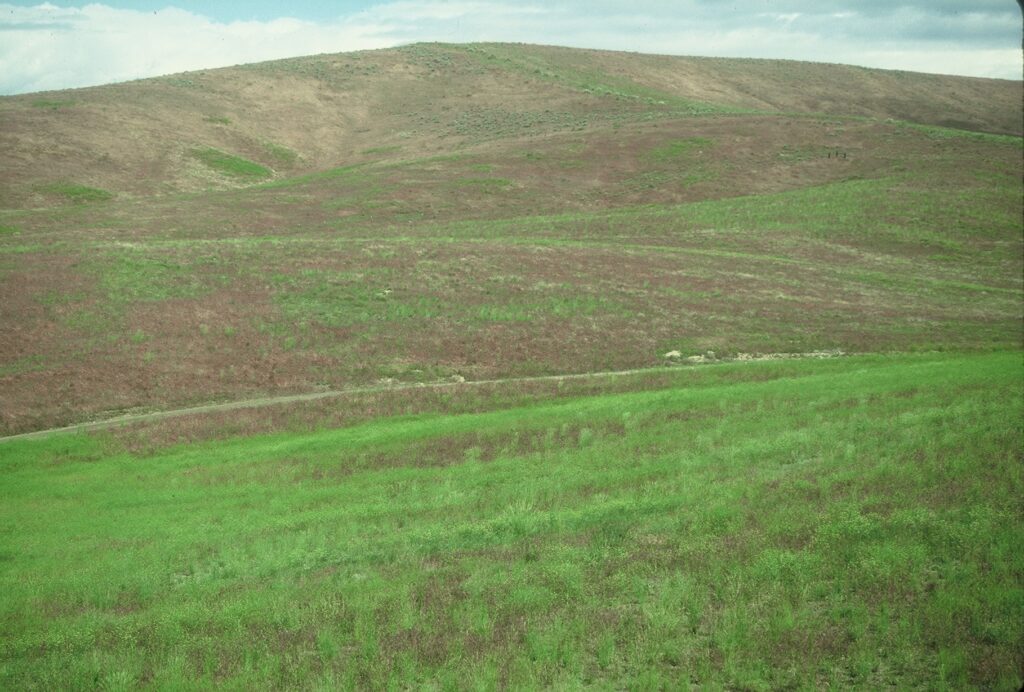
Figure 1a. Cheatgrass-infested rangeland (1994) following numerous wildfires in the Dunphy Hills area of northeastern Nevada.
Perry highly recommended to seed 4 grasses, 4 shrubs and 4 forbs to allow nutritional benefits for livestock and wildlife, but we focused on a 5 species mix of Snake River wheatgrass and crested wheatgrass at 4 pounds per acre each, ‘Immigrant’ forage kochia at 2 pounds per acre, Wyoming big sagebrush and ‘Ladak’ alfalfa at 0.25 pound per acre each. The seeding was quite successful and continues to be in a perennial state as well as effectively suppressing cheatgrass and reducing wildfire threats Fig 1b).
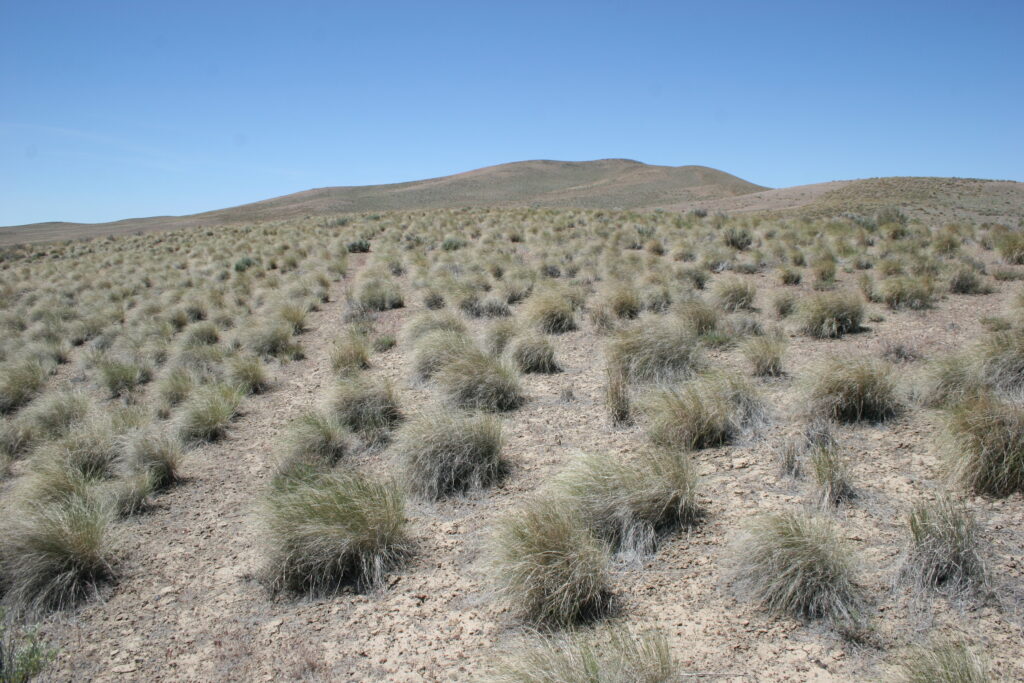
Figure 1b. Following a mechanical treatment of a spring disk and fallow application to reduce cheatgrass and associated competition, this site was seeded in the fall of 1997 to perennial grasses, shrubs and forbs and continues to persist and suppress cheatgrass after 25 years.
Early researcher Gus Hormay and Ralph Holmgren spent an enormous amount of time researching the restoration of antelope bitterbrush in the mid-1900s, a keystone browse species which provides critical nutritional value and exceptional cover to wildlife and livestock, especially mule deer. Antelope bitterbrush stands were becoming old, lacking seedling recruitments rates needed to sustain antelope bitterbrush populations, which became a major focus of wildlife managers concerned about the negative impacts of the loss of antelope bitterbush stands would have on mule deer populations. Our research on antelope bitterbrush in the early 1990s focused on the seed and seedbed ecology of antelope bitterbrush, the role granivorous rodents played in the harvesting and dispersal of antelope bitterbrush seed as well as seed and seedling predation, transplanting of antelope bitterbrush and of course seeding of antelope bitterbrush Young and Clements 2002). Although it was reported that you could not seed antelope bitterbrush very successfully, and even less so when seeded with perennial grasses, we tested multiple seeding experiments including simulated caches, broadcast seeding, mechanical seeding without perennial grasses and with perennial grasses as well as numerous seeding rates (Clements and Young 2002, Young and Clements 2002). By reducing the seeding rate of antelope bitterbrush to 2 pounds per acre rate, and reducing the perennial grass seeding rate to 4 pounds per acre rate, we experienced excellent antelope bitterbrush seedling recruitment as well as excellent perennial grass establishment to aid in the suppression of cheatgrass. These seeding trials took place for more than a decade and recorded a 70% success rate (Clements and Young 2002) (Figure 2a and 2b).
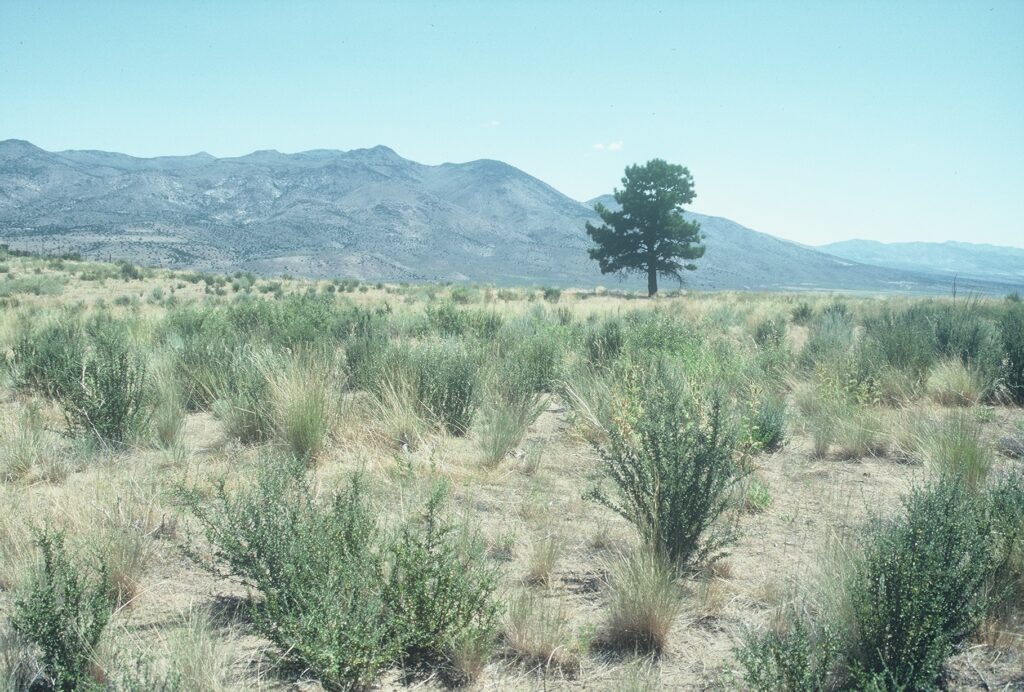
Figure 2a. Following plot-sized research, the implementation of seeding antelope bitterbrush with perennial bunchgrasses successfully restored the site and significantly reduced cheatgrass invasions following wildfire in northeastern California.
Figure 2b. Testing seeding rates of antelope bitterbrush using a rangeland drill was essential in better understanding the level of recruitment of antelope bitterbrush seedlings and reducing the cost of antelope bitterbrush restoration.
The literature strongly suggests that successful rangeland seedings primarily occur during average to above-average precipitation years (Chambers et al. 2014, Davies et al. 2014, Plummer 1955, Svejcar et al. 2017), we also experience better seeding success during favorable precipitation years. With that said, if you perform rangeland seedings without effective and efficient weed control, use plant materials that have the inherent potential to germinate, emerge, establish and persist at that given ecological site, or do not seed at optimal times or seeding rates then you may experience high failure rates even during average and above-average precipitation years (Clements et al. 2009). Using effective pre-emergent herbicides to significantly reduce cheatgrass competition can increase available moisture to seeded species by more than 40%, which we have experienced seeding successes in below average precipitation years (Clements et al. 2017) (Fig. 3).
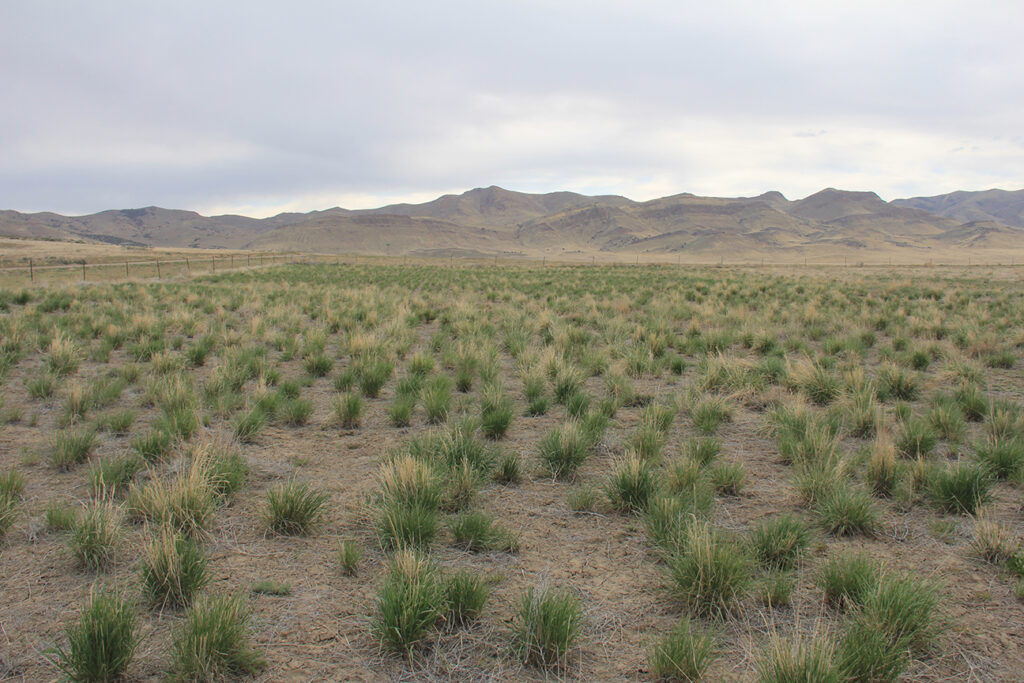
Figure 3. The application of Plateau at 6 oz/acre rate significantly reduced cheatgrass densities and resulted in excellent seedling emergence and establishment of native and introduced perennial grasses with less than 6” of precipitation during the seedling year.
It is also heavily reported on the difficulties of successfully seeding native species throughout the Great Basin (Davies et al. 2014, Svejcar et al. 2017, Young and Clements 2009), which has increasingly become a frustration for many land managers. This research unit has focused on the restoration of native species for decades with such species as Indian ricegrass, bluebunch wheatgrass, squirreltail, Great Basin wildrye, four-wing saltbush, winterfat and the recently described antelope bitterbrush. Although we have met significant challenges with seeding native species in arid environments, we have also experienced good successes at much higher rates than is suggested in the literature (Clements et al. 2022). Of the more than 1,000 plots and 40 study sites that we have seeded native species, we have recorded a 26% success seeding rate (e.g. > 4 perennial grasses per 10² feet) far greater than the less than 10% seeding success often reported. Our seeding success rate when using introduced species is 74% and when using a mix of native and introduced species, we experienced a 44% seeding success. Over this 37-year span, we have experienced some level of success, 28 of those 37 years, 76%. When we hear these frustrating numbers of less than 10% success on rangeland seeding efforts, our curiosity is heightened. In 2009, we went on a ‘Lessons Learned” field tour in the Elko BLM District and visited 7 rangeland revegetation projects, only one was successful, 14%. We again went on another field tour in 2019 and visited 6 revegetation projects and 5 were successes, 83%. The difference was effective weed control through the proper use of pre-emergent herbicides (applied in September, fallowed for one-year and seed the following October-November), improved use of plant materials, improved seeding mixes and rates (e.g. native-introduced seed mix, no less than 4 lbs/acre rate on Siberian and bluebunch wheatgrass), and timing of seeding operation (fall) (Fig. 4a and 4b).
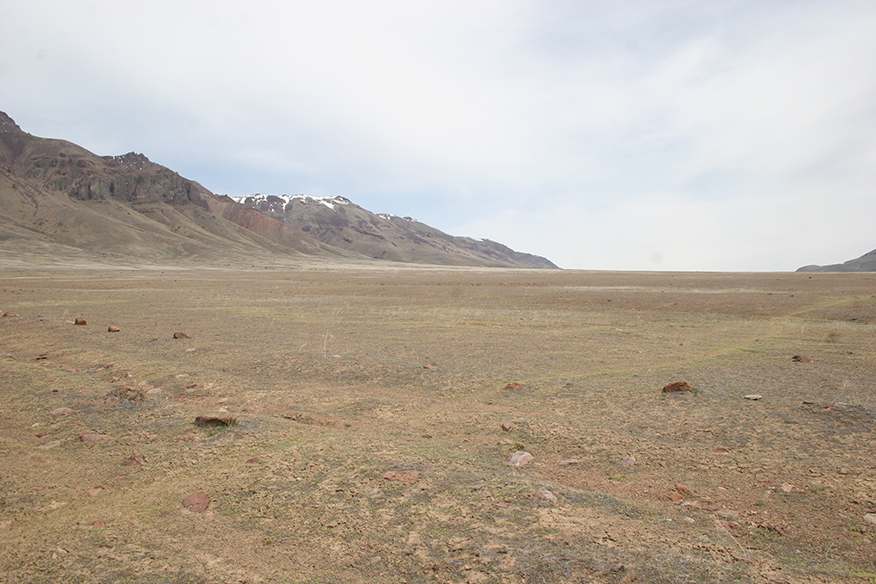
Figure 4a. T his site in northern Nevada, September 2014, was seeded multiple times with nearly complete failure.
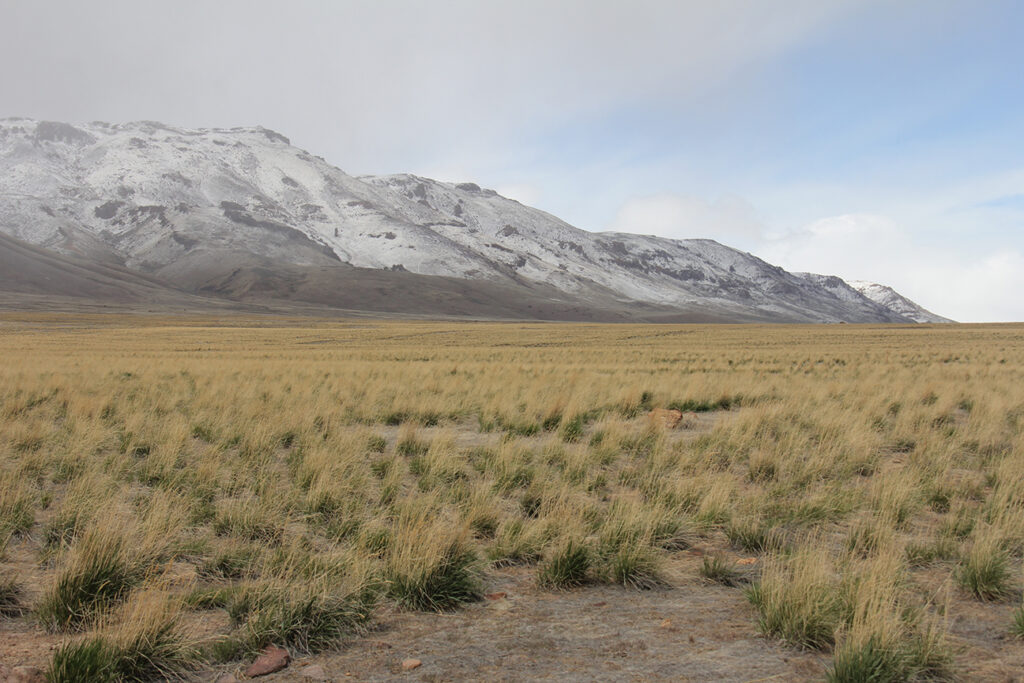
Figure 4b. This same site in April 2022 after receiving effective weed control, improved seed mix, rate and timing. These successes are much more common than reported.
One of our main goals has always been to pass our learnings of rangeland rehabilitation/restoration to action personnel on the ground and provide land managers and others the necessary information and tools to successfully restore or rehabilitate degraded rangelands. We have been blessed to build partnerships with individuals within the BLM, US Forest Service, Nevada Department of Wildlife, Nevada Gold Mines, Conservation Districts, ranchers and many others. These partnerships have definitely paid dividends in improving the revegetation of Great Basin rangelands, which ultimately will improve grazing and wildlife resources, reduce wildfire threats, and enhance natural resources and communities. Although the challenges that resource managers are assigned and face annually concerning the revegetation of degraded Great Basin rangelands is a steep climb, the success from climbing that mountain are better than reported.
Suggested Reading
Camp, S.C., Anderson, V.J., Thacker, M.G., Anderson, R.M., Robinson, T.F., Stringham, T.K., Gunnell, K.L., Summers, D.D. and Madsen, M.D., 2025. Improving Seeding Success in Annual Grass-Invaded Areas Using Pre-emergent Herbicide and Deep Furrowing Techniques. Rangeland Ecology & Management, 98, pp.256-268.
Chambers, J.C., Miller, R.F., Board, D.I., Pyke, D.A., Roundy, B.A., Grace, J.B., Schupp, E.W. and Tausch, R.J., 2014. Resilience and resistance of sagebrush ecosystems: implications for state and transition models and management treatments. Rangeland Ecology & Management, 67(5): 440-454.
Clements, C. D. and J. A. Young. 2002. Restoring Antelope Bitterbrush: Management guidelines for overcoming the challenges of establishing antelope bitterbrush after a wildfire. Rangelands 24(4):3-6.
Clements, C. D., G. McCuin, R. S. Shane, K. McAdoo and D. N. Harmon. 2009. Wildfire Rehabilitation and Restoration: Triage in the Pursuit of Resilience. Rangelands 31(3)30-35.
Clements, C. D., D. N. Harmon, R. R. Blank and M. Weltz. 2017. Improving Seeding Success on Cheatgrass Infested Rangelands in Northern Nevada. Rangelands 39(6):174-181.
Clements, C. D., D. N. Harmon and R. R. Blank. 2022. Seed mix performance and cheatgrass suppression on arid rangelands. Rangelands 44(2):129-135.
Davies, K.W., Boyd, C.S., Johnson, D.D., Nafus, A.M. and Madsen, M.D., 2015. Success of seeding native compared with introduced perennial vegetation for revegetating medusahead-invaded sagebrush rangeland. Rangeland Ecology & Management, 68(3):224-230.
Eckert, R. E., Jr., and R. A. Evans. 1967. A chemical-fallow technique for control of downy brome and establishment of perennial grasses on rangelands. Journal Range Mgmt 20:35-41.
Hardegree, S.P., Sheley, R.L., James, J.J., Reeves, P.A., Richards, C.M., Walters, C.T., Boyd, C.S., Moffet, C.A. and Flerchinger, G.N., 2020. Germination syndromes and their relevance to rangeland seeding strategies in the Intermountain Western United States. Rangeland Ecology & Management, 73(2), pp.334-341.
Hull, A.C. and Pechanec, J.F., 1947. Cheatgrass–a challenge to range research. Journal of Forestry, 45(8), pp.555-564.
Plummer, A.P., 1955. Seeding rangelands in Utah, Nevada, southern Idaho and western Wyoming (No. 71). US Department of Agriculture, Forest Service.
Svejcar, T., C. Boyd, K. Davies, E. Hamerlynck and L. Svejcar. 2017. Challenges and limitations to native species restoration in the Great Basin, USA. Plant Ecology 218:81-94.
Young, J. A. and C. D. Clements. 2002. Purshia: The Wild and Bitter Roses. UNR Press. Reno & Las Vegas. pp. 266.
Young, J. A. and C. D. Clements. 2009. Cheatgrass: Fire and Forage on the Range. University Nevada Press. pp. 348.
By Charlie D. Clements and Dan Harmon